
Instructor Certification Pathways
CPR Instructor Courses & Certification Path
Explore the certification pathways for BLS, ACLS, PALS, and CPR/AED instructors. The right path depends on your background, experience, and goals—and our team will guide you every step of the way.
- Multiple Certification Paths
- Guided Instructor Onboarding
- Flexible Income Opportunities
- Teach In-Demand Courses
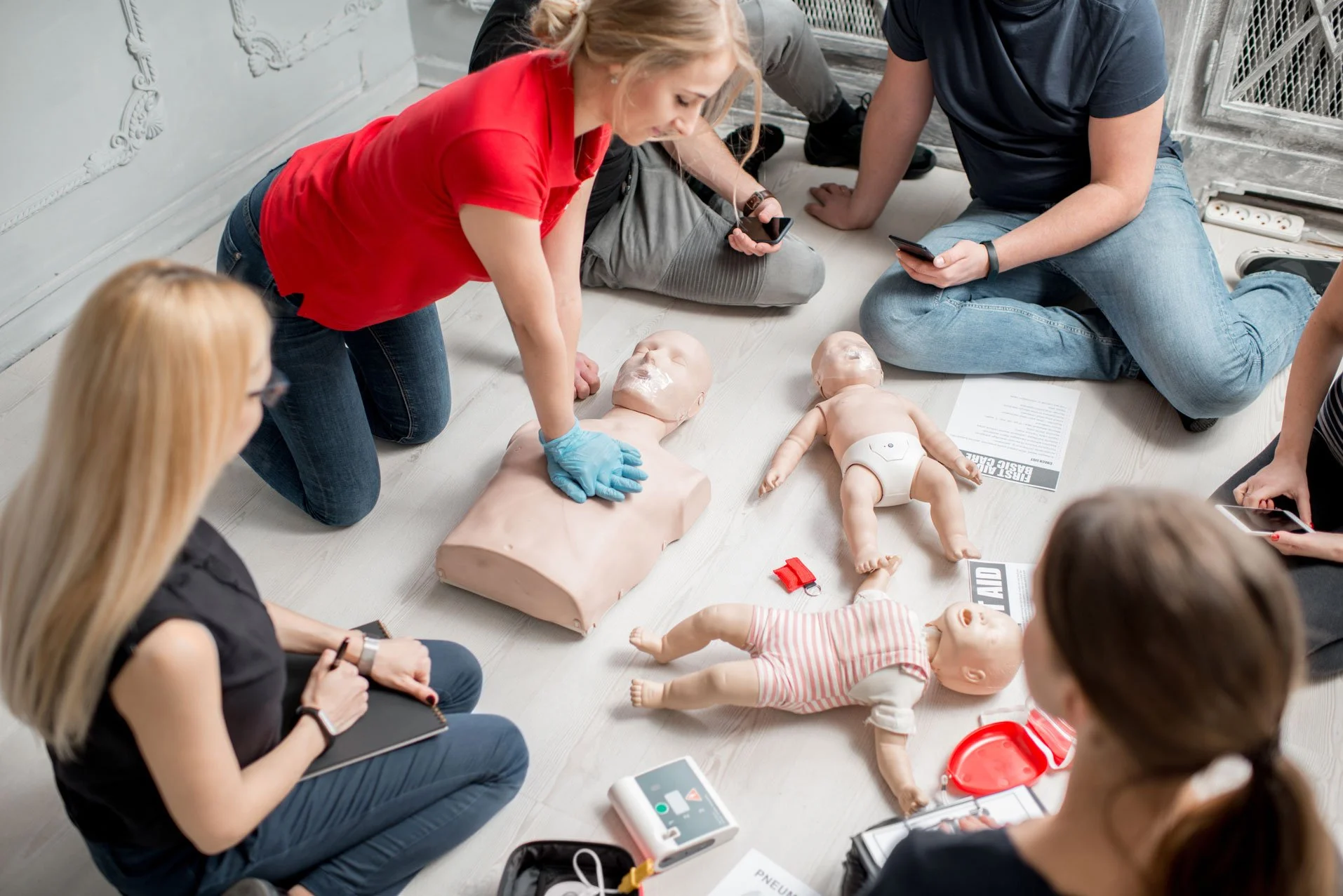
Instructor Certification Options
Choose the Right Instructor Path
There are multiple ways to become a CPR instructor, and the best path depends on your background, goals, and the types of classes you want to teach. GEAR UP with CPR helps guide candidates toward the right certification pathway.
-
BLS Instructor
Train healthcare providers in core life-saving skills including CPR, AED use, and team-based emergency response.
Start with application -
ACLS Instructor
Teach advanced cardiovascular life support for healthcare professionals working in higher-acuity settings.
Start with application -
PALS Instructor
Instruct providers in pediatric emergency response and life-saving care for infants and children.
Start with application -
Heartsaver Instructor
Teach CPR, AED, and First Aid skills to workplaces, community groups, schools, gyms, and other non-clinical audiences.
Start with application
Not sure which certification path is right for you? Apply and we’ll help guide you.
Apply to Become an InstructorWhy This Path Makes Sense
Become an Instructor with GEAR UP with CPR
Becoming a CPR instructor is more than a certification—it’s an opportunity to teach life-saving skills, earn flexible income, and grow with a supportive organization that helps guide qualified candidates toward the right path.
-
Flexible Income Potential
Teach classes based on your schedule while building part-time or long-term instructor opportunities.
-
Guided Instructor Pathway
We help qualified candidates understand the right certification track and move through training with clarity.
-
Meaningful Impact
Teach CPR, BLS, ACLS, PALS, and First Aid skills that can make a real difference in critical moments.
-
Room to Grow
Start with one instructor path and expand into additional certifications and teaching opportunities over time.
Not sure which instructor course fits your background?
Apply to Become an InstructorHow It Works
Our process helps qualified candidates move from interest to instruction with clear guidance on the right instructor pathway.
-
1
Apply
Fill out the form with your background, goals, location, and the classes you’re interested in teaching.
-
2
We Review Your Fit
Our team reviews your application and verifies your BLS certification, background, and overall fit for the program.
-
3
Complete Training
Finish the required instructor pathway, which includes online modules, in-person training, and co-teaching real classes.
-
4
Pass the Exam
Demonstrate your knowledge and teaching readiness by completing the instructor exam and final certification steps.
-
5
Start Teaching
Once certified, you can begin teaching with a flexible schedule based on your availability and course opportunities.
Not sure which path is right for you? Start with the application.
Apply to Become an InstructorCPR Instructor Certification FAQs
Get answers to common questions about becoming a CPR, BLS, ACLS, or PALS instructor and choosing the right certification path.
How do I become a CPR instructor?
To become a CPR instructor, you must first hold a valid provider certification (such as BLS), complete an instructor training course, and demonstrate your ability to teach the material. The exact pathway depends on your background and the types of courses you want to teach. Many candidates start by applying so their experience can be reviewed and matched to the right certification path.
What are the requirements to become a BLS instructor?
To become a BLS instructor, you typically need a current BLS provider certification and a strong understanding of CPR, AED use, and team-based response. You’ll then complete instructor training and demonstrate your teaching skills. This is often the starting point for healthcare professionals entering instructor roles.
Do I need a medical background to teach CPR?
Not always. While advanced courses like ACLS and PALS usually require a medical background, CPR and Heartsaver instructors can often come from non-clinical fields such as fitness, education, or workplace safety. The best path depends on the audience you want to teach.
What is the difference between BLS, ACLS, and PALS instructors?
BLS instructors teach core life support skills for healthcare providers. ACLS instructors teach advanced cardiac care for clinical settings, and PALS instructors focus on pediatric emergency response. Each certification has different requirements and is designed for different audiences and levels of experience.
How long does it take to become a CPR instructor?
The timeline varies based on your background and the certification path you choose. Some candidates can complete training and evaluation in a short period (1-2 weeks), while others may take longer depending on prerequisites and scheduling. Starting with an application helps determine the fastest and most appropriate path forward.
How much can CPR instructors earn?
CPR instructor earnings vary depending on experience, course types, and how often you teach. Many instructors use it as flexible supplemental income, while others build consistent teaching schedules over time. Opportunities often expand as you add certifications and gain experience.
Still have questions about becoming an instructor?
Apply to Become an InstructorStart with the Right Path
Not Sure Which Instructor Course Fits You Best?
The best certification path depends on your background, goals, and the types of classes you want to teach. Start with the application, and we’ll help guide you toward the right instructor pathway.