Why Every Workplace Should Have CPR-Certified Staff
TL;DR
Cardiac emergencies can happen anywhere. CPR-certified employees improve response times, support OSHA compliance, and help create a safer, more confident workplace culture.
Emergencies don’t only happen in hospitals. Offices, schools, gyms, warehouses, and restaurants all face real risk when someone experiences sudden cardiac arrest or a medical emergency. Having CPR-certified staff on site can make the difference between waiting for help and taking immediate, life-saving action.
Sudden Cardiac Arrest Can Happen Anywhere
More than 350,000 cardiac arrests occur outside of hospitals each year in the United States. When CPR and AED use begin immediately, survival rates can double or even triple. In most workplaces, coworkers are the first people on scene, which makes training essential.
CPR certification equips employees to recognize emergencies quickly and respond before first responders arrive.
It Supports OSHA and Workplace Safety Standards
Many industries are required to provide emergency response and safety training. Completing a structured Onsite CPR Training program helps businesses meet safety expectations while improving preparedness across the organization.
Onsite training also ensures consistency, with every employee learning the same procedures and protocols.
It Builds Confidence and a Stronger Safety Culture
When employees know how to respond in an emergency, confidence increases. CPR and First Aid training promote teamwork, responsibility, and trust, especially in high-traffic or physically demanding environments.
Programs like Heartsaver CPR & First Aid are designed specifically for workplace teams, educators, coaches, and non-medical staff.
Training Is Flexible and Easy to Schedule
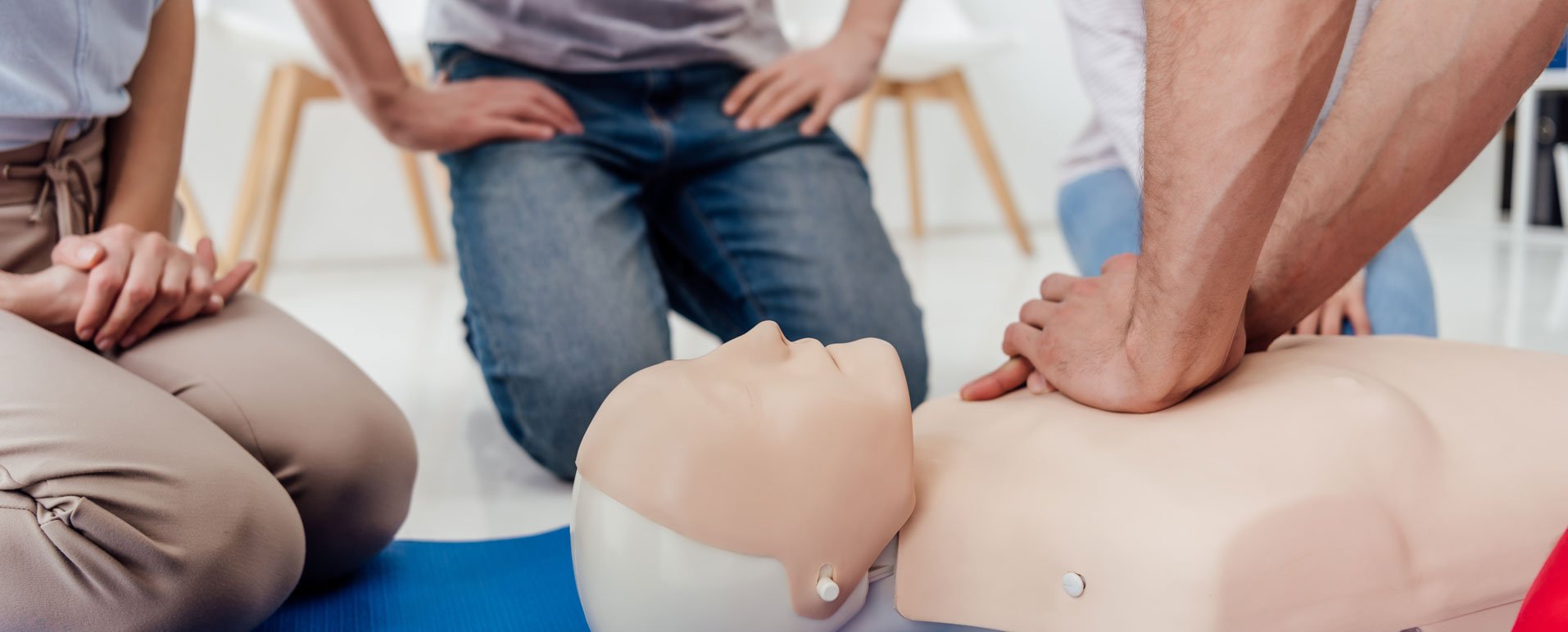
Modern CPR training is designed to work around busy schedules. With HeartCode blended learning, employees can complete the online portion on their own time and finish with a short, in-person skills session.
Healthcare or clinical teams may also benefit from BLS Renewal options that keep certifications current without disrupting operations.
It’s a Practical Investment in Your People
Beyond compliance, CPR certification shows employees and customers that safety is a priority. It’s a low-cost, high-impact investment that can protect lives, reduce risk, and strengthen your organization’s reputation.
Next Steps
Make CPR training part of your workplace safety plan.
Learn more about Onsite CPR Training
Explore Heartsaver CPR & First Aid programs for workplace teams
You can also find training options near you on our
CPR Training Locations page.
Frequently Asked Questions